

Back to Top
-
- July 14, 2020
- John Scheepers
Bantam, Connecticut
This is one of my very favorite recipes for holiday dinners. Not only is it relatively easy to prepare, but it can be prepared in advance and frozen or chilled until shortly before dinner. It is the most wonderful combination of holiday spices. It is equally as wonderful with or without the sliced mushrooms. It is wonderful served with long grain and wild rice or a potato gratin, and haricots verts. -
- August 13, 2020Hollyhock Sowing Instructions
Planting Depth:1/4”
Seed Spacing:6”-8”
Plant Spacing:18”-24”
Days to Germination:10-14 days
Germination Temperature:70°F
Alcea rosea. Sow these tall, stately flowers outdoors after the last frost. Sow in a nice spot with full sun and protection from the wind in fertile, well-draining, loamy soil just 1⁄4" deep (they need some light for optimal germination). Keep well-watered until the seedlings emerge, about 10 days after sowing. Or, start indoors 8 to 12 weeks prior to transplanting out after the last frost. Provide even moisture, strong light and good ventilation until the seedlings are ready to transplant out. Acclimate the plants by gradually exposing them to outside conditions for 1 to 2 weeks. Thin or transplant the seedlings 18" to 24" apart when they are about 4" tall. Plants may need to be staked, as the flower spikes are quite tall. A biennial, Hollyhocks may not bloom the first year. Summer flowering. Height: 6' to 8'.
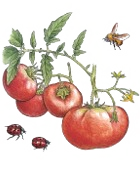
Our Pollinators are in -
-
- July 14, 2020
- Carrying bottles of Stem Ginger home from Holland was a disaster waiting to happen for years. I finally decided to make it myself. I’m so glad I did because it’s so easy and few items are more useful to a gingerholic like me. I chop it finely and add it to everything: pancakes, créme anglaise, white chocolate anything, cheesecakes, pound cakes, cookies, pastry dough, yogurt, fruit salads, clafouti, panna cotta and lemon mousse. When selecting fresh ginger root, I always go for the largest pieces available with the smallest amount of tiny knobs and fingers. It makes peeling easier and reduces waste. If only we could grow it here. The syrup is great in drinks and salad dressings or drizzled over French vanilla ice cream. Finely minced stem ginger is amazing in desserts of all kinds, including those starring Strawberries, Pumpkins and Winter Squash. Caution: My homemade version always tastes more zesty and flavorful than the store bought jarred version.
-
- August 13, 2020Honeywort Sowing Instructions
Planting Depth:1/16”
Seed Spacing:2”-3”
Plant Spacing:12”-15”
Days to Germination:15-20 days
Germination Temperature:70°-75°F
Cerinthe major ssp. purpurascens. Easy to grow, Honeywort prefers to be direct-sown in full to partial sunlight in a sandy, well-draining spot in the garden. Soak seeds overnight, then direct-sow after the last frost date or raise as transplants 6 to 8 weeks before transplanting out after threat of frost has passed. Provide even moisture and strong light. Harden off the seedlings by gradually acclimating them outside over 1 to 2 weeks before transplanting out. Once seedlings are 2" tall, thin or transplant 12" to 15" apart. When happy, Honeywort may self-sow, yielding seedlings to spread about the garden or share with friends next spring. Try this floriferous annual in containers, too, where its glaucous, textural foliage and dusky purple flowers can be admired up close. Mid-summer/fall-flowering. Height: 18" to 30".
-
- July 14, 2020
- The Hopkins Inn
22 Hopkins Road, Warren, CT
Phone: (860) 868-7295
www.thehopkinsinn.com
An enchanting 1847 Federal-style inn perched on a hillside overlooking idyllic Lake Waramaug, Hopkins Inn is famous for its award-winning contemporary Austrian cuisine. In the summer, one may dine on its shaded stone terrace overlooking the lake or, in the winter, in one of its cozy dining rooms warmed by crackling fireplaces. No celebration-worthy Ohms family event happens anywhere else (particularly Aunt Corry’s special dinner)! Open from late March through January 1st, reservations are a must. Served family style with every dinner entrée, Hopkins Inn’s Rösti Potatoes are the ultimate savory potato experience. -
-
- August 13, 2020
Horseradish Planting Instructions
Where to Plant
Horseradish is a perennial, so plant it in a permanent bed, mark the roots well and never till the soil after planting. Plant in full sun, although horseradish can tolerate partial shade, but growth will be slowed and yield will be reduced.
When to Plant
Plant your Horseradish as soon as you can work the soil in your garden in spring, as soon as possible after you receive your roots. If the ground can’t be worked yet, store the roots in your refrigerator, loosely wrapped.
How to Plant
Dig a hole about 12” across and about 8-10” deep, loosen the soil, and place the root at a 45 degree angle with the top of the root just below the soil surface, holding the horseradish root while refilling the hole to overflowing, mounding the soil up a couple of inches to account for settling. Add compost to the refill soil if it is available.
Watering and Fertilizing
Fertilize and water as you would any garden plants. Horseradish likes to be slightly moist -
- July 14, 2020Lorem ipsum dolor sit amet, consectetur adipiscing elit. Proin ac quam in nisl volutpat finibus.
-
- August 13, 2020Chile Pepper Sowing Instructions
Planting Depth:1/4”
Row Spacing:18”-24”
Plant Spacing:18”
Days to Germination: 8-18 days
Germination Temperature:70°-85°F
Start Peppers 6 to 8 weeks before the last spring frost date in your area. Sow 3 to 5 seeds per individual pot of starter mix or singly in peat pots. Provide light, even moisture and ventilation. Bottom warmth hastens germination. Seedlings prefer 70° to 85°F during the day with slightly cooler temperatures at night. Individually transplant the strongest seedlings to 4" pots and fertilize weekly. Do not allow seedlings to become root-bound. Amend a well-draining, sunny site with organic fertilizer, compost and/or well-rotted manure. When night temperatures are reliably above 55°F, expose the Pepper plants to sun gradually over 1 week, then transplant. Water well and fertilize as needed with manure tea, kelp or fish emulsion. Mulch soil around Peppers if soil dries out too quickly. Harvest carefully, using a sharp blade, leaving 1⁄2" -
- August 13, 2020Hyacinth Bean Vine Sowing Instructions
Planting Depth:1”
Seed Spacing:6”
Plant Spacing:8”-12”
Days to Germination:7-14 days
Germination Temperature:65°-70°F
Dolichos lablab. This easy-to-grow climber quickly scrambles up any support and provides a beautiful living screen with intense purple blossoms, seedpods and stems with attractive, dark green foliage. It is best direct-sown outside after the danger of frost has passed. It may also be sown as transplants in a sterile soil mix 4 to 6 weeks before setting outside in the garden after all danger of frost has passed. When large enough to transplant outside, be sure to “harden them off” by gradually exposing the plants to the outdoors over a period of 7 to 10 days. Carefully transplant or thin seedlings to 8" to 12" apart; try to avoid disturbing their root systems. Plant in full sun and moderately rich, well-draining soil. Keep the bed well-watered and well-weeded. Hyacinth Bean Vine will need solid support from a trellis, fence or netting. -
- August 13, 2020Hyssop Sowing Instructions
Planting Depth:1/8”
Seed Spacing:2”-3”
Plant Spacing:18”
Days to Germination: 5-20 days
Germination Temperature:70°-75°F
Hyssop should be direct-sown after the threat of frost has passed. Sow seeds on top of the soil, leaving the seeds uncovered but pressed firmly onto the soil surface, as light aids germination. It may also be raised as transplants 8 to 10 weeks before the last spring frost date, with even moisture, strong light and air circulation. Harden off the seedlings by gradually acclimating them to the outdoors for a week to 10 days. Prepare a bed in full sunlight with rich, well-draining soil. Thin or transplant to 18" apart. Transplants should be watered regularly to help establish a mature root system for first-year blooms. Once established, it is drought tolerant. Its compact plants have dozens of sturdy spikes studded with tubular flowers. This valuable cut flower is adored by bees, hummingbirds and butterflies. Summer flowering. Height: 1 1⁄2'
