

Back to Top
-
- August 13, 2020Sweet Corn Sowing Instructions
Planting Depth: 1"-1 1⁄2"
Row Spacing: 24"-30”
Seed Spacing: 3"-4”
Days to Germination: 4-14 days
Germination Temperature: 60°-80°F
Direct-sow Corn when the soil is reliably warm, above 60°F, well after the last spring frost date. Prepare a well-draining area with rich soil in full sunlight. Amend the soil as necessary with organic fertilizer, compost and/or well-rotted manure. Corn is pollinated by the wind, so grow a minimum of 4 rows, even if they are short rows, to ensure good pollination. If the weather gets wet and cold, you might want to re-seed just to be safe since Corn has a long maturation cycle. After thinning to 10" to 12" between the plants, water regularly and mulch with hay or straw to deter weeds and retain ground moisture. Corn is particularly hungry for nitrogen: feed regularly as needed.Harvest when the silk begins to turn brown and a kernel, pinched with your fingernail, releases its sweet,milky liquid.Harvest shortly before cooking -
- August 13, 2020Kale Sowing Instructions
Planting Depth: ¼”-1/2"
Row Spacing: 18”-24”
Seed Spacing: 2”-4”
Days to Germination: 5-10 days
Germination Temperature: 45°-75°F
This leafy member of the Brassica family prefers cool weather for optimal growth. Start Kale in the spring as soon as the soil can be worked or in late summer for fall and winter harvest. You can grow Kale in partial shade as long as it gets at least 4 hours of mid-day sunlight. When growing as individuals, thin to 12" to 16" apart. Or, broadcast seed to harvest in the “cut and come again” method. Kale prefers well-draining, moderately fertile soil amended with compost and/or wellrotted manure. Seedlings thrive in evenly moist soil and enjoy occasional supplemental feedings of organic fertilizer. Hardy and pest-resistant, Kale becomes more tender and sweet after being kissed by frost. Harvest large leaves by cutting them at the base, leaving the plant to keep producing. Harvest as “cut and come again” greens when plants reach a height -
- August 13, 2020Kohlrabi Sowing Instructions
Planting Depth:1/4”-1/2”
Row Spacing:12”
Plant Spacing:6”
Days to Germination:5-14 days
Germination Temperature:45°-75°F
Plant this Brassica native of northern Europe in cool weather to enjoy its juicy-crisp texture, mild sweet taste and dramatic appearance. Kohlrabi prefers cool weather and moderately fertile, evenly moist soil. Amend bed with compost and/or well-rotted manure. Start transplants 4 to 6 weeks before planting outdoors, which should be done as soon as the soil can be worked. Or, direct-sow by spacing seed every 1" to 2". It grows best as a fall crop, planting up to 4 weeks before the first frost in the fall. Thin seedlings twice: first to 3" apart, then to 6" apart in each row. The thinned seedlings taste delicious steamed or used raw in salads. Harvest Kohlrabi on the small side (under 4" in diameter) for the best taste and crunch, using the leaves in soups or as a steamed side dish. Kohlrabi tolerates hard frost and is a most welcome addition -
- August 13, 2020Spinach Sowing Instructions
Planting Depth:1/2”
Row Spacing:12”-18”
Seed Spacing:1/2”
Days to Germination:10-14 days
Germination Temperature:45°-85°F
Vitamin-rich Spinach likes it cool, so you may direct-sow in the spring as soon as you can work the soil. You may also sow in the late summer or early fall for fall and early winter harvest. Spinach thrives in rich soil, so amend beds with organic fertilizer, compost and/or well-rotted manure as needed. Keep soil evenly moist. When seedlings are 2" tall, thin to 4" to 5" apart. (Thinnings are great tossed into salads.) If you plant Spinach in warm weather, sow seeds deeper and in partial shade with frequent watering to help it avoid bolting. In cool climates, direct-sow Spinach seed every 2 to 3 weeks for constant harvest. To harvest, either use a few outer leaves from each plant or cut the plant off at the base, after which the plants will likely regrow a second crop of leaves. Make sure to wash thoroughly in cool water before use. Pat -
- August 13, 2020Celeriac Sowing Instructions
Planting Depth:1/16”
Row Spacing:18”
Plant Spacing:12”
Days to Germination:10-28 days
Germination Temperature:65°-75°F
Challenging to grow, yet if you have savored its tonic sweetness, you know it is worth the trouble! Raise as transplants 10 to 12 weeks before setting out. Start early in order to produce a large root before a heavy frost in the fall. Sow seed shallowly, germinate in strong light, providing warmth (preferably 65°-75°F) and good air circulation. To ensure good germination, keep soil moist and pamper until seedlings emerge. Gradually accustom plants to the outdoors and plant in the garden after danger of frost has passed or when temperatures are consistently above 55°F. Celeriac has a ravenous appetite, growing best in rich, loamy, well-fed soil. Amend with lots of compost, well-rotted manure and balanced organic fertilizer. Regular watering will provide the ample moisture Celeriac needs to grow. Use a spade to harvest the large bulb-like -
- August 13, 2020Turnips Sowing Instructions
Planting Depth:1/4”-1/2”
Row Spacing:12”
Seed Spacing:1”
Days to Germination:4-14 days
Germination Temperature:45°-80°F
Turnips prefer cool weather, so direct sow in the spring as soon as the soil can be worked and/or in the summer for fall harvest. For smaller Turnips, thin seedlings to 3" apart. For larger Turnips, thin seedlings to about 6" apart. Choose a well-draining, sunny site which is moderately fertile. Dig the soil deeply to a depth of 6" to 8" and add moderate amounts of compost and/or well-rotted manure. Do not overdo nitrogen fertilizer, as this will result in excessive green top growth and no Turnips! Water regularly and fertilize as needed with kelp, fish emulsion or manure tea. Harvest when golf-ball size for immediate use or harvest larger for winter storage. The greens are delicious steamed and dressed with butter or olive oil. Turnips belong to the Brassica family and should not be grown in the same site as other Brassicas for 4 years. -
- August 13, 2020Shallot Growing Instructions
Shallot Bulb Growing Instructions
Prepare your bed by turning under or tilling in compost or well-rotted manure. Separate multiple bulbs and plant each individual bulb, root end down. Plant Shallots 1” deep, 4-6” apart in 18” spaced rows roots side down, just deep enough so that the tip lies level with the soil surface. Shallots will form a cluster of 5-12 bulbs around the original bulb. This cluster will spread out more than a Garlic bulb and therefore requires more space between plants.
Do not use mulch as it may rot bulbs, which are not strong enough to push through mulch. After planting Shallots, water well or lightly in heavy soils, and only water again when the soil is dry. Remember, Shallots love water and food, but they must have good drainage or the bulbs will rot.
In the spring, feed the Shallots with either composted manure or a well-balanced fertilizer before the bulbs begin to enlarge. Keep the bulbs well watered and weeded; they grow best with -
- August 13, 2020Sweet Potato Instructions
Here are some general hints that will help your plants get off to a good growing start and increase your chances of a bountiful harvest.
Receiving Your Potato Plants
Heavy plant foliage is sometimes trimmed to prevent over-heating during shipment. Many large Sweet Potato Farmers cut off all the leaves and a part of the plant's roots. Expect your plants to appear wilted or possibly bleached to a higher color due to their enclosure during shipment, but do not be alarmed if either condition exists. Sweet Potato plants are very tough, and if planted properly and favorable weather exists, your plants will grow well and yield an abundant harvest.
If there is to be a delay in planting, remove the plants from the carton and take the rubber band, waxed paper and moss away from the roots. Then place the roots in a position where they can receive moisture, being careful to keep the plants away from the sun and wind. Do not wet the stems or leaves. Roots placed on wet sawdust -
- August 13, 2020Summer Squash Sowing Instructions
Planting Depth:1”
Row Spacing:4’-5’
Hill Spacing:2’-3’
Days to Germination: 4-10 days
Germination Temperature:65°-75°F
Direct-sow 3 to 5 seeds per hill when soil and weather are reliably warm, after the danger of frost has passed, thinning to the strongest single seedling. To start transplants, sow singly in pots 3 to 4 weeks before setting out. Provide ventilation, strong sunlight and even moisture. Gradually accustom to the outdoors, planting out after the danger of frost has past. Enrich soil with compost, organic fertilizer and/or well-rotted manure. Cover seedlings with cloches or other protection if it gets too cold. Water regularly and feed as needed with manure tea, kelp or fish emulsion. Harvest on the small side for the best flavor. Regular picking also encourages production. Leaves contain a skin irritant, so work carefully around the plants or wear long sleeves. (Powdery mildew on the leaves is normal in late summer, as temperatures cool -
- August 13, 2020Peanut Sowing Instructions
Planting Depth:1”-2”
Row Spacing:30”-36”
Plant Spacing:6”-12”
Days to Germination:3-10 days
Germination Temperature:65°-75°F
Peanuts are usually thought of as a southern crop, but they can be grown in other areas of the country, too! In cooler climates, start seeds indoors, 4 to 6 weeks before the last frost date, and then plant them outdoors 2 to 3 weeks after the last frost date. In warmer climates, direct-sow seeds two to three weeks after the last frost date, around the same time as Bush Beans, to which Peanuts are related. To sow, remove the peanuts from their shells carefully, taking care to leave their red skins intact. Sow seeds 1-2 inches deep and 8 inches apart. Seedlings can take more than a week to germinate and grow slowly at first, but they will take off after the roots have had time to establish themselves. The plants grow 2 to 3 feet tall and wide and prefer full sun and loose, fertile, well-draining soil—if your soil is heavy, add compost -
- August 13, 2020Tomato Disease Codes
We have listed the diseases to which select hybrids have been bred to be resistant~one of the true benefits of improved hybrids.
V: Verticilium Wilt
F: Fusarium Wilt
F1: Fusarium Wilt Race 1
F2: Fusarium Wilt Race 2
N: Nematode
A: Alternaria alternata
L: Septoria leafspot
ST: Stemphylium
EB: Early Blight
LB: Late Blight
TMV: Tobacco Mosaic Virus
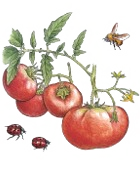
Tomato Sowing Instructions
Planting Depth:1/4”
Row Spacing:36”
Plant Spacing:24”-30”
Days to Germination: 6-15 days
Germination Temperature:70°-85°F
It’s best to raise Tomatoes as transplants. Sow Tomato seeds in sterile seed mix 6 to 8 weeks before the danger of frost has passed, water lightly and provide bottom heat. Grow seedlings at 60° to 75°F in a brightly lit, well-ventilated area. (Windowsills are not bright enough; the plant will get leggy and flop over.) Fertilize lightly as needed, increasing the pot size as needed. After the last spring frost, place outdoors for a week to harden off and to introduce to stronger -
- August 13, 2020Rhubarb Sowing Instructions
Planting Depth:1/2”
Row Spacing:36”-48”
Plant Spacing:12”-24”
Days to Germination:6-18 days
Germination Temperature:70°F
Encased in paper-like shells, Rhubarb seeds should be soaked for 24 hours before planting. Start indoors as transplants 5 weeks before the last frost date. Sow 3 seeds 1⁄2" deep in 4" pots. Cover with soil, tamp down and provide 70°F temperatures, strong light, good air circulation and uniformly moist soil until seedlings emerge. After 2 weeks, thin each pot to the strongest plant. After all danger of frost has passed, harden plants off by gradually acclimating them to the outdoors over 7 to 10 days. Amend the soil as necessary with organic fertilizer, compost and/or well-rotted manure. Transplant 12" apart in rich, well-draining soil and full to partial sunlight. Water and feed regularly. Mulch. To harvest, pull the shiny, green to rosy-red, 18" stalks out of the soil (rather than cutting them) and discard their poisonous leaves.
